
How you can help.
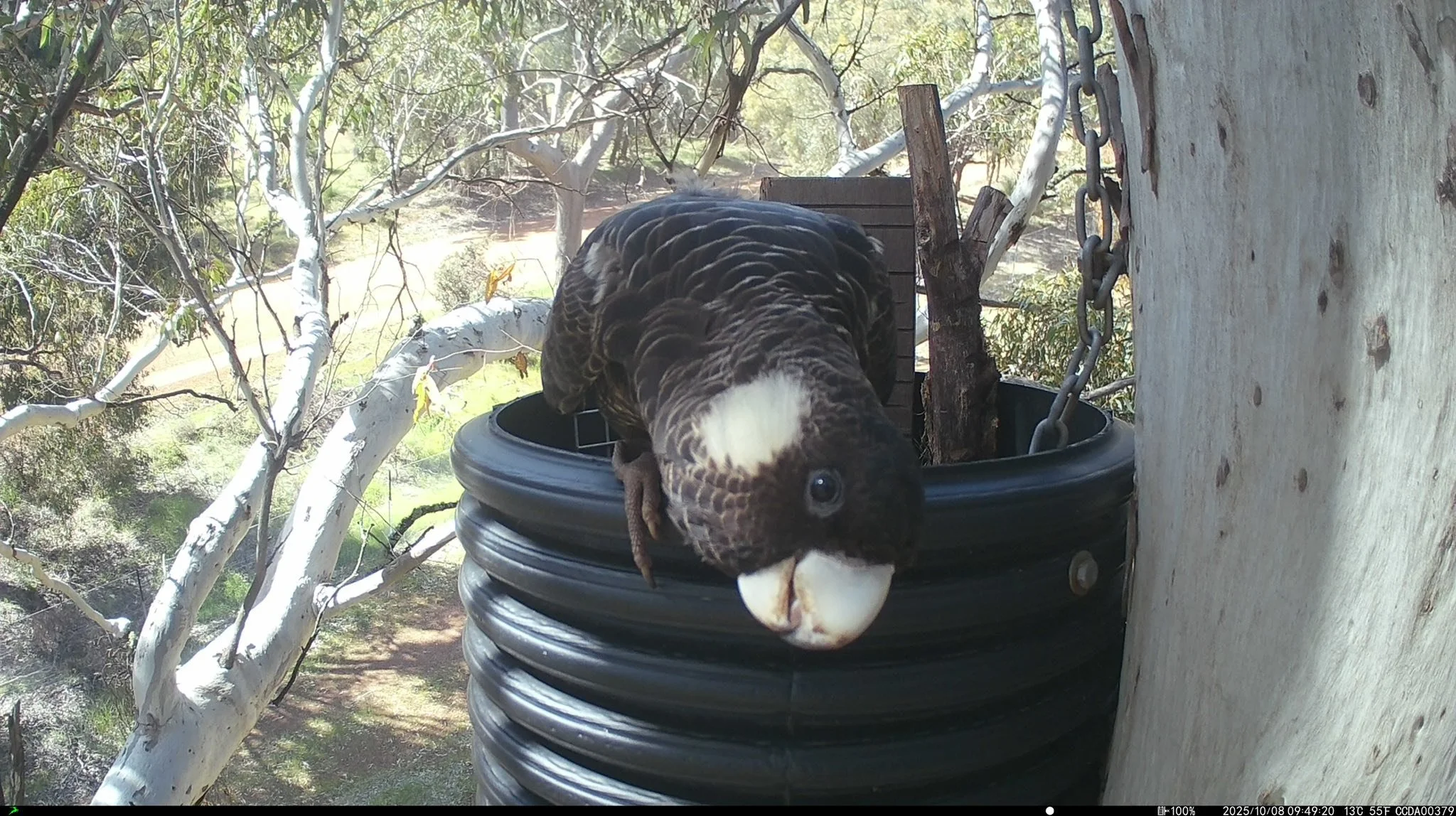
Not everyone has access to large areas of breeding habitat, but meaningful contributions to species recovery can still be made.
Planting for
Black Cockatoos.
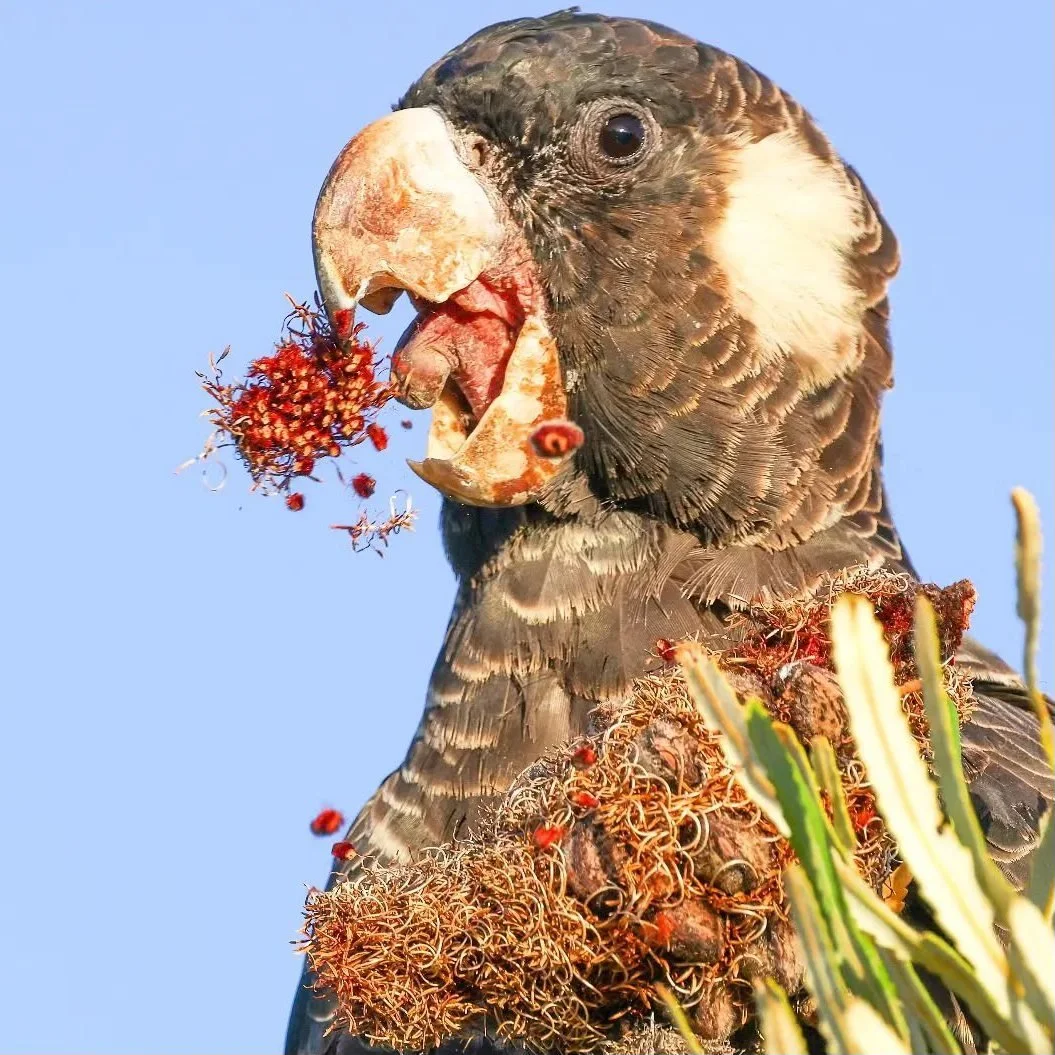
Planting locally native species that provide foraging resources plays an important role in supporting Black Cockatoo populations, particularly in urban and peri urban landscapes where habitat has been fragmented.
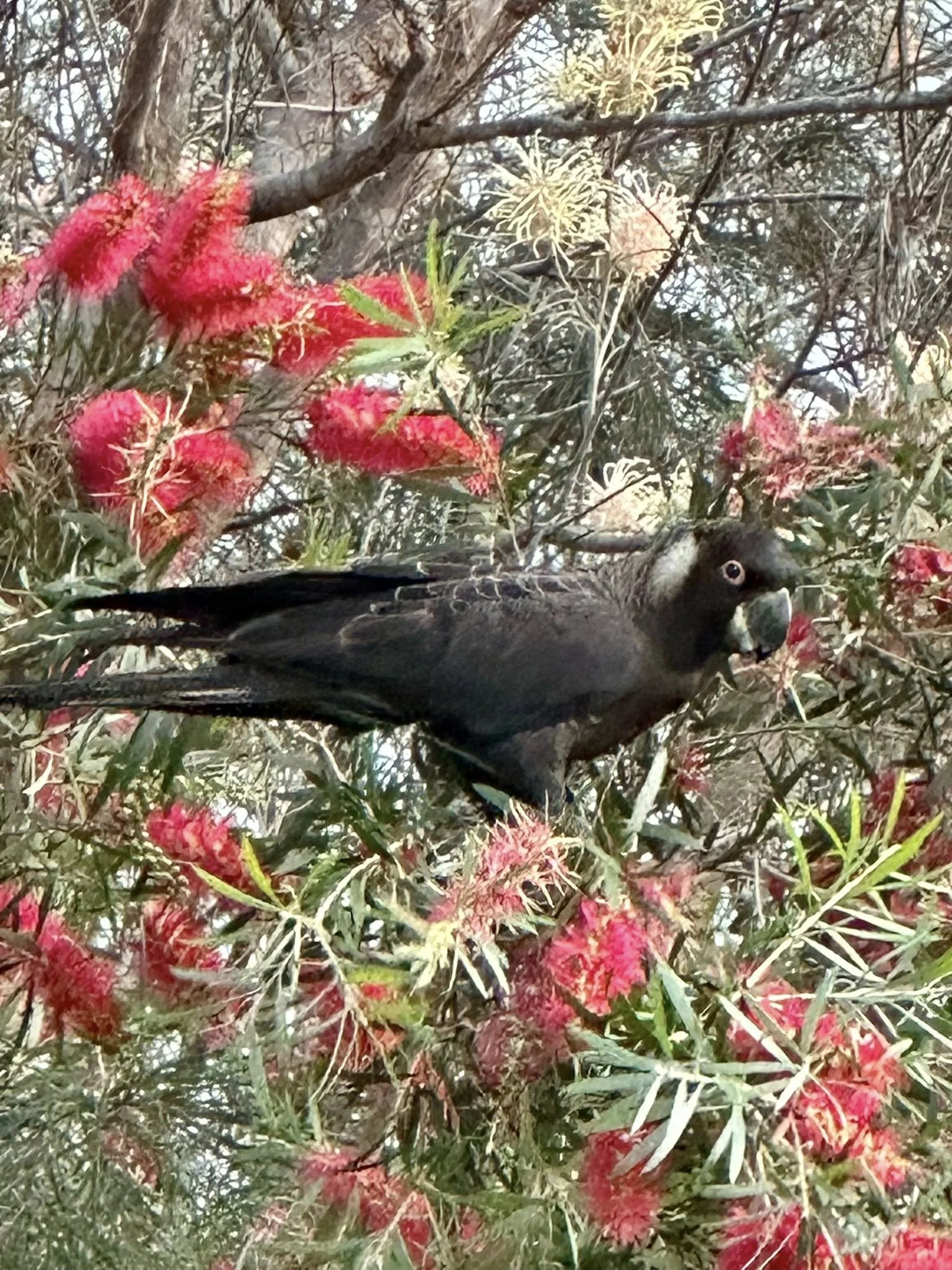
When selecting species, prioritise regionally appropriate Banksia, Hakea, Grevillea and Bottlebrush varieties known to provide nectar and seed resources. Plantings should be located away from major roads and high traffic areas to reduce the risk of vehicle strike.
Community advocacy also matters. Encourage local councils and land managers to incorporate native food species and habitat corridors into parklands, streetscapes and restoration projects. Increasing native vegetation cover in suitable areas contributes to broader landscape connectivity and supports long term population resilience.
Small scale actions, when strategically aligned, can contribute to meaningful habitat outcomes..
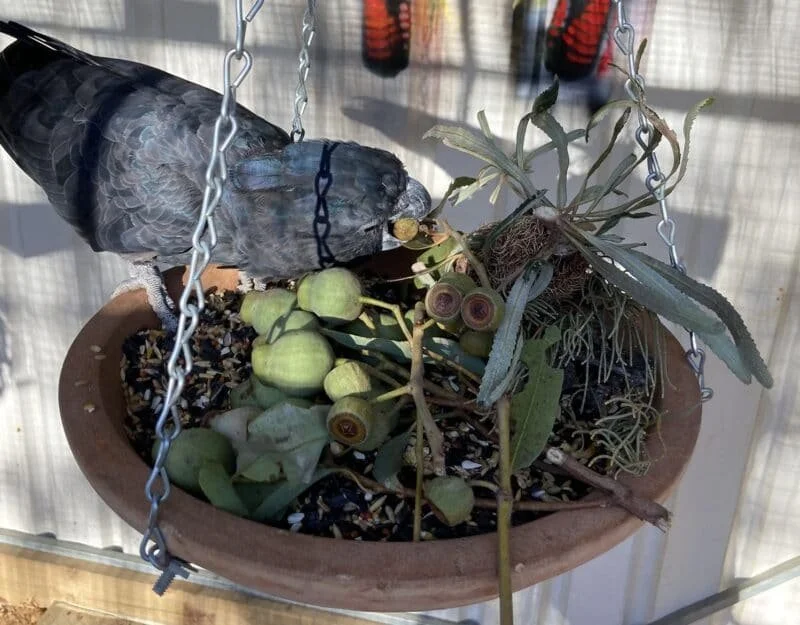
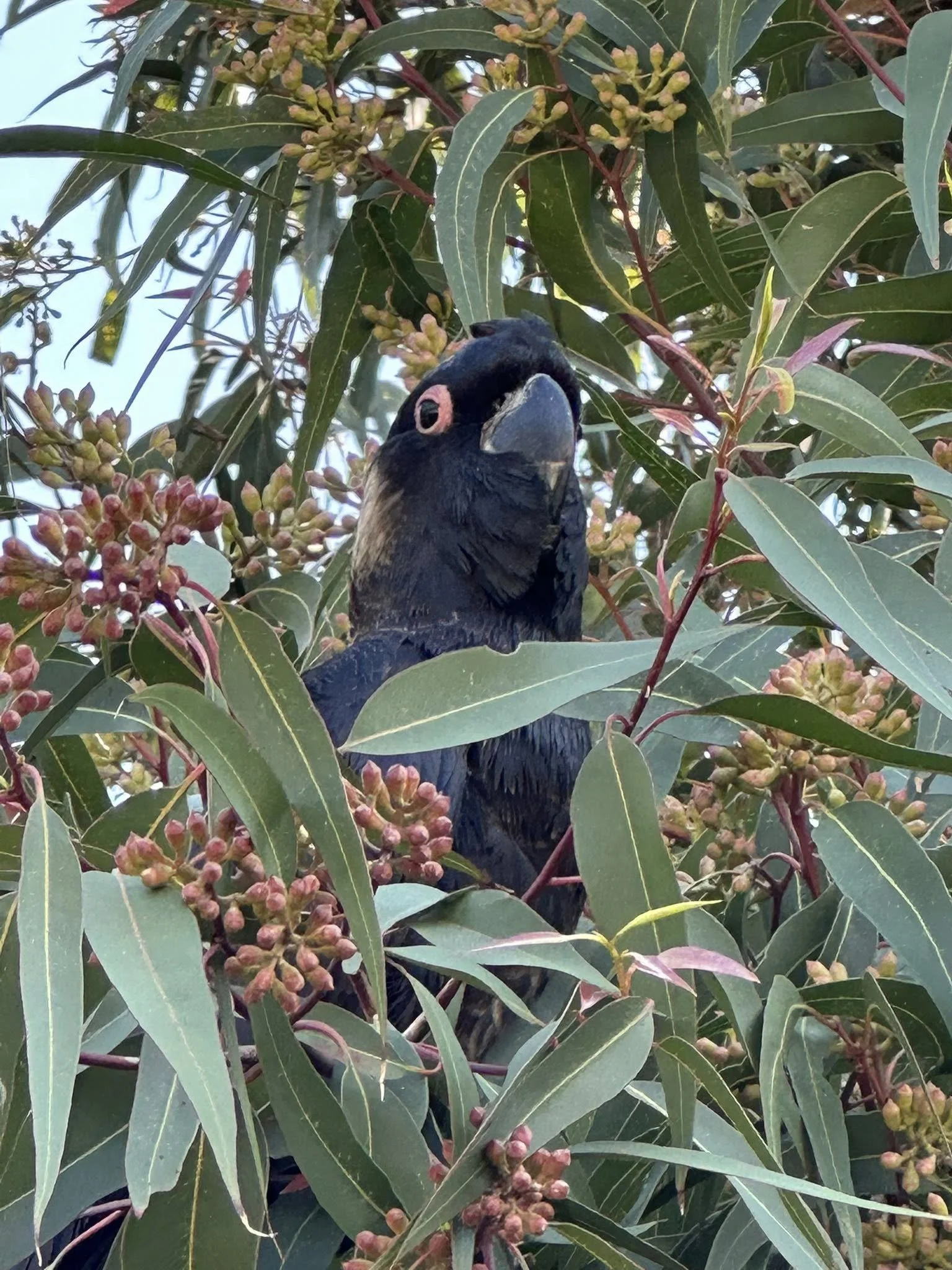
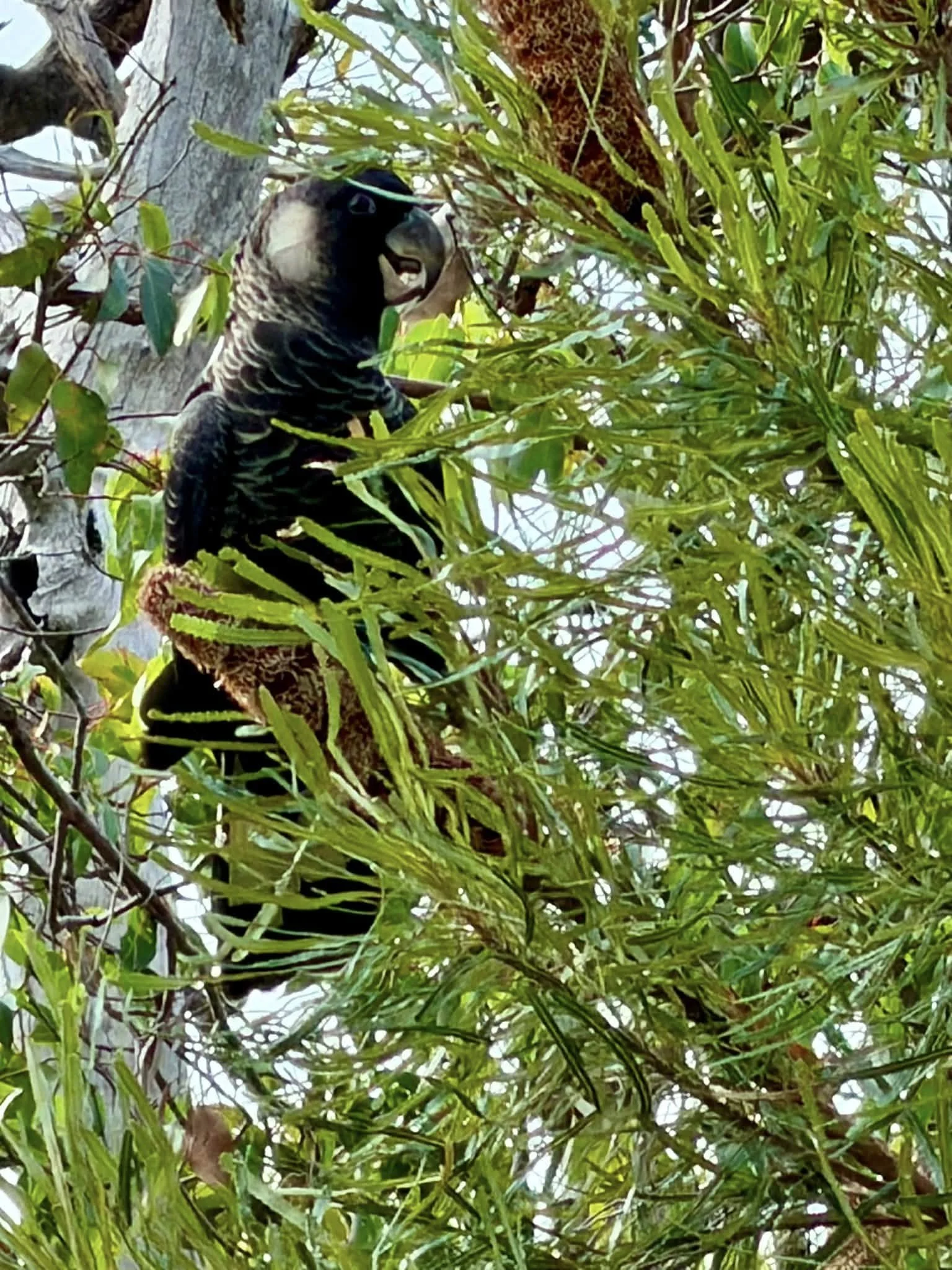
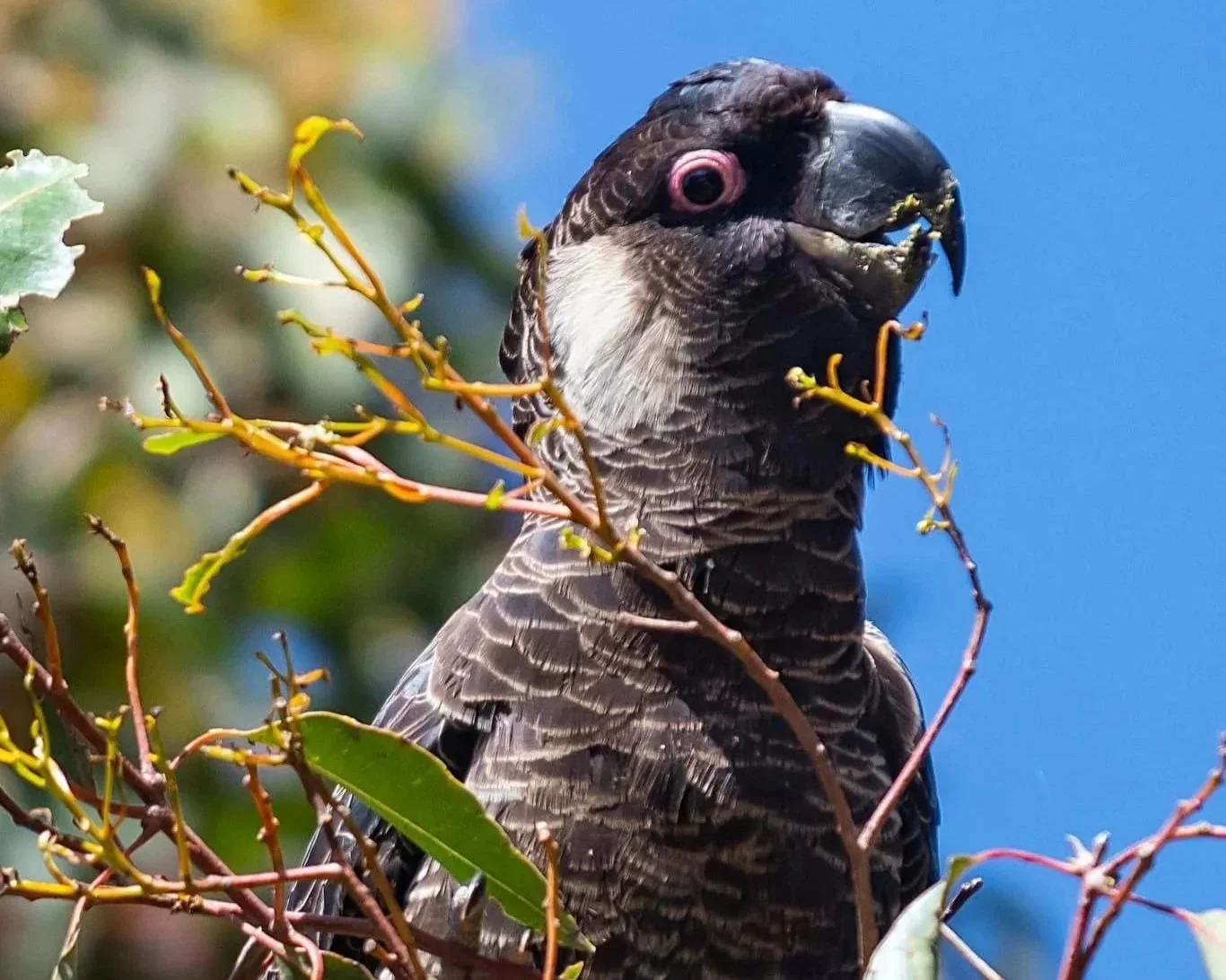
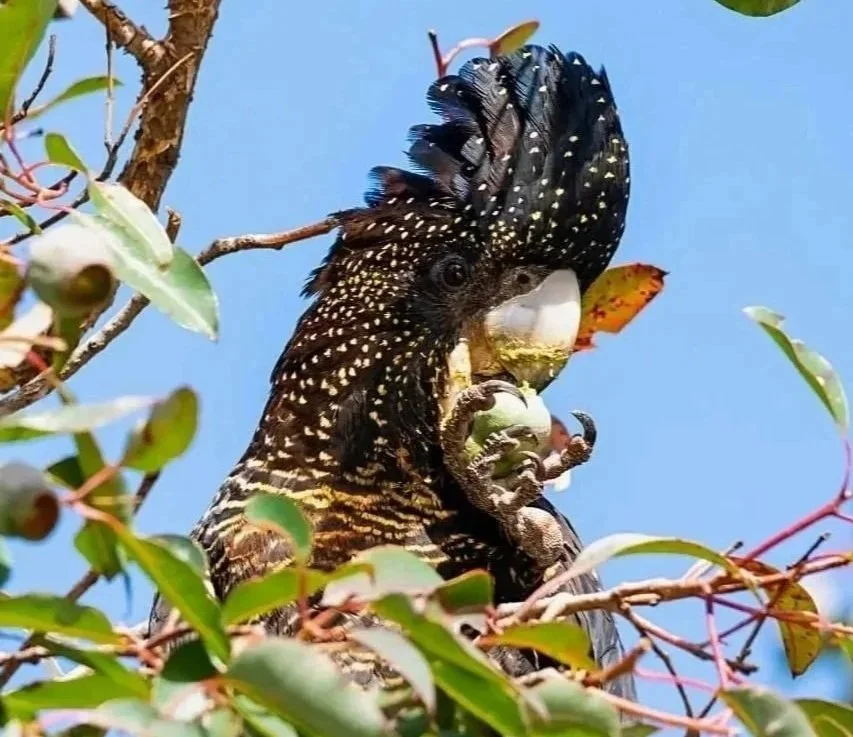
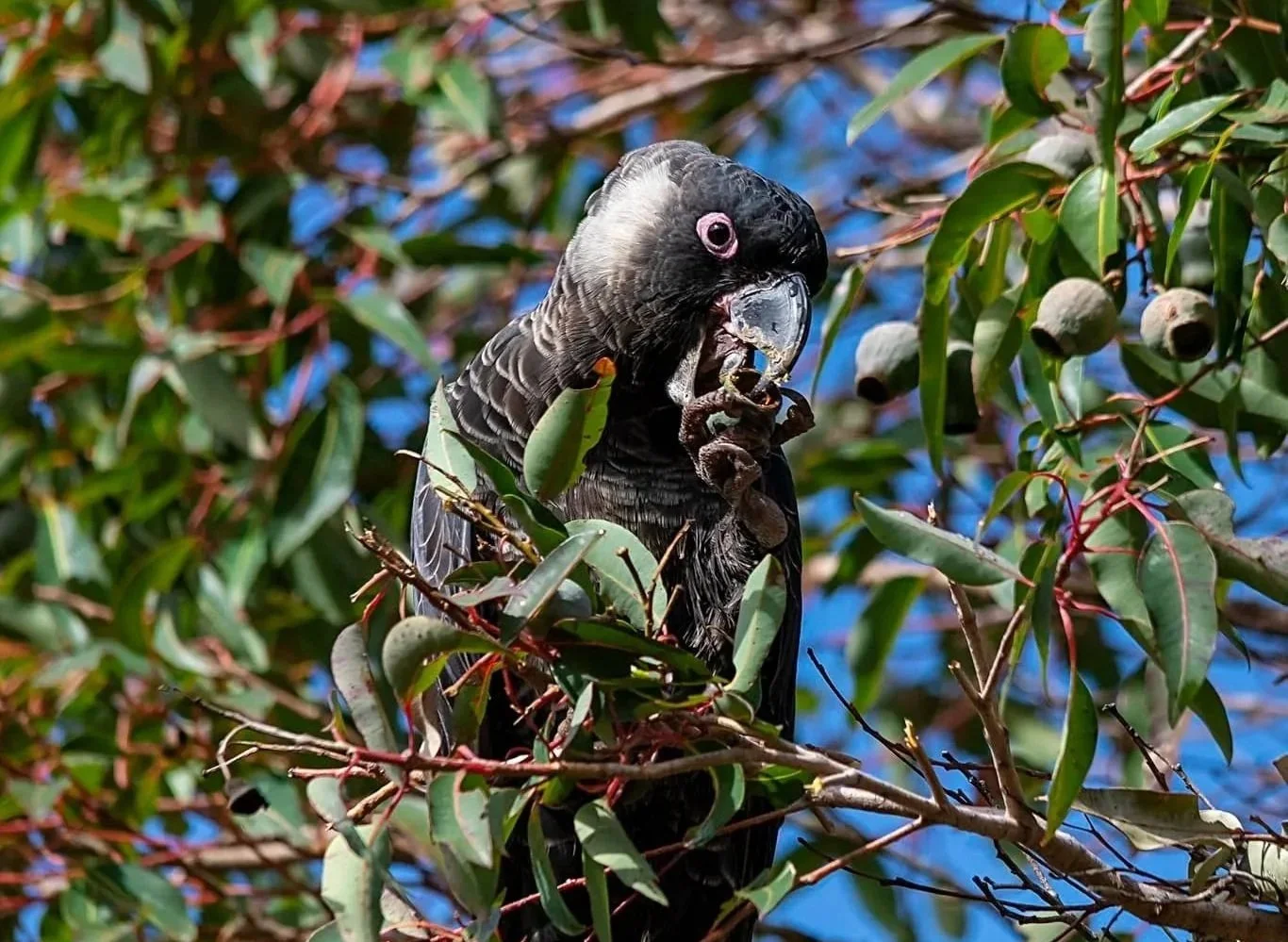
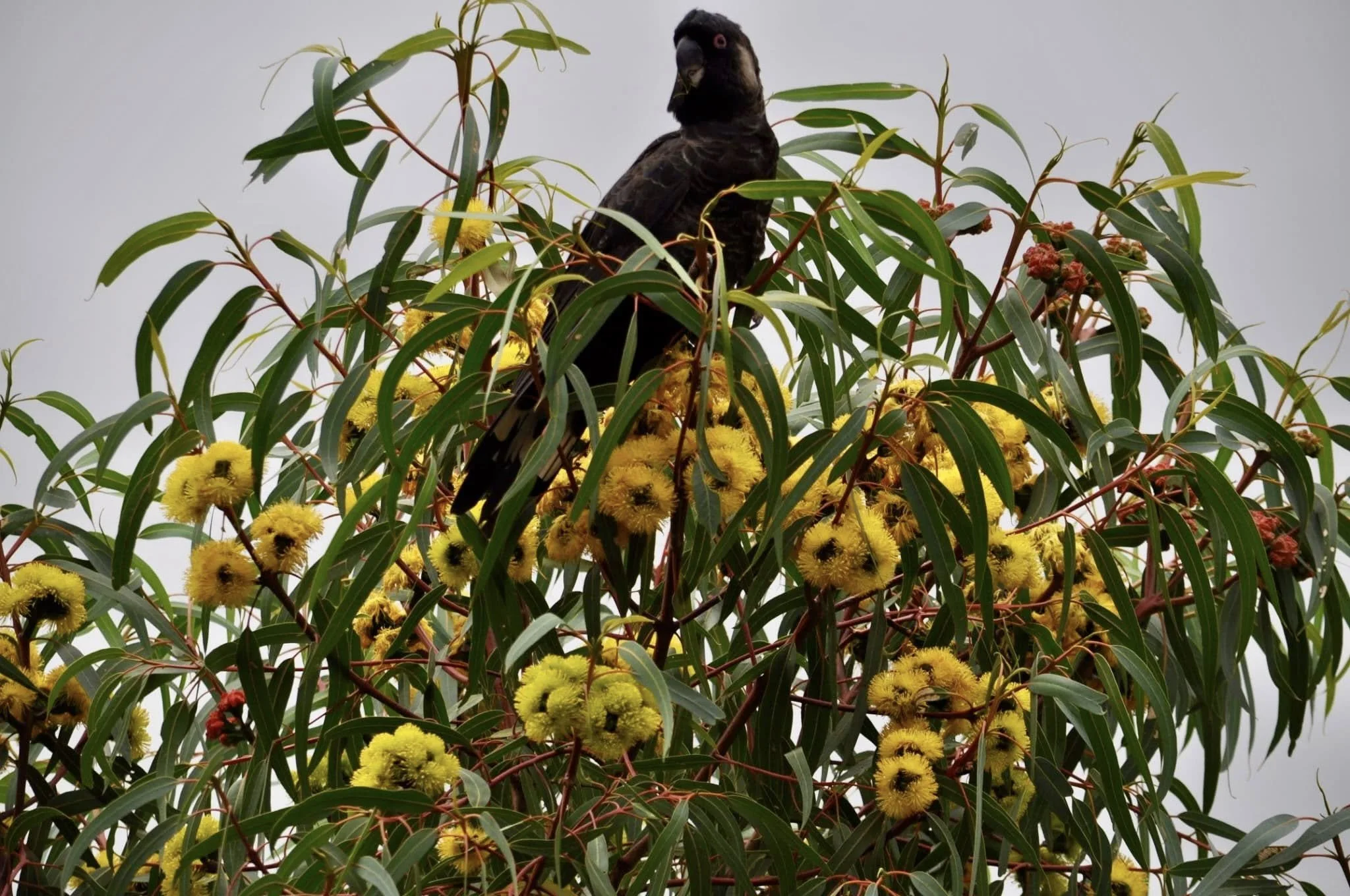
Black Cockatoos rely on reliable food sources across their range. Planting regionally appropriate native species helps increase available foraging habitat in urban and peri urban environments.
Did you know?
Carnaby’s Black Cockatoos can travel up to 50 kilometres per day between roosting, breeding and feeding sites.
During breeding season, adults may successfully commute over 10 kilometres each way from nesting hollows to foraging areas.
They depend on species such as Banksia, Hakea, Grevillea, Marri and Jarrah, depending on season and region.
Habitat fragmentation increases energy expenditure and can reduce breeding success.
Every action shapes the future of our native habitat.
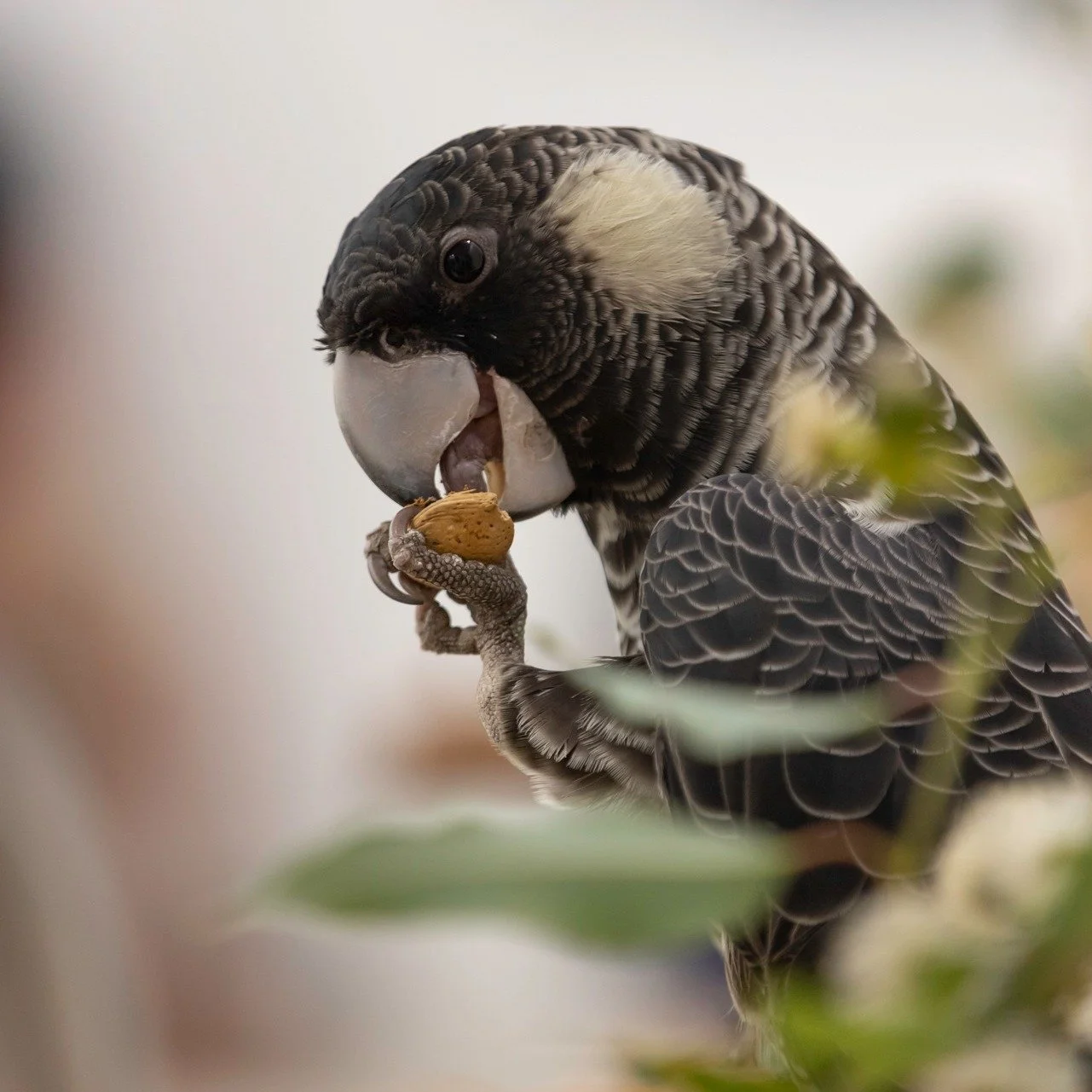
Carnaby’s Crusaders is committed to protecting and restoring critical habitat in alignment with state and national recovery objectives.
We recognise that halting biodiversity loss requires coordinated effort across:
Private land conservation
Community engagement and education
Long term habitat stewardship
Practical, evidence informed conservation action
By participating in habitat initiatives, you contribute to a broader movement working to secure Western Australia’s natural heritage for future generations.
Contact us
We welcome enquiries from landholders, partners, supporters and community members interested in protecting and restoring critical habitat for Western Australia’s Black Cockatoos.
Complete the form below and we’ll respond as soon as possible.